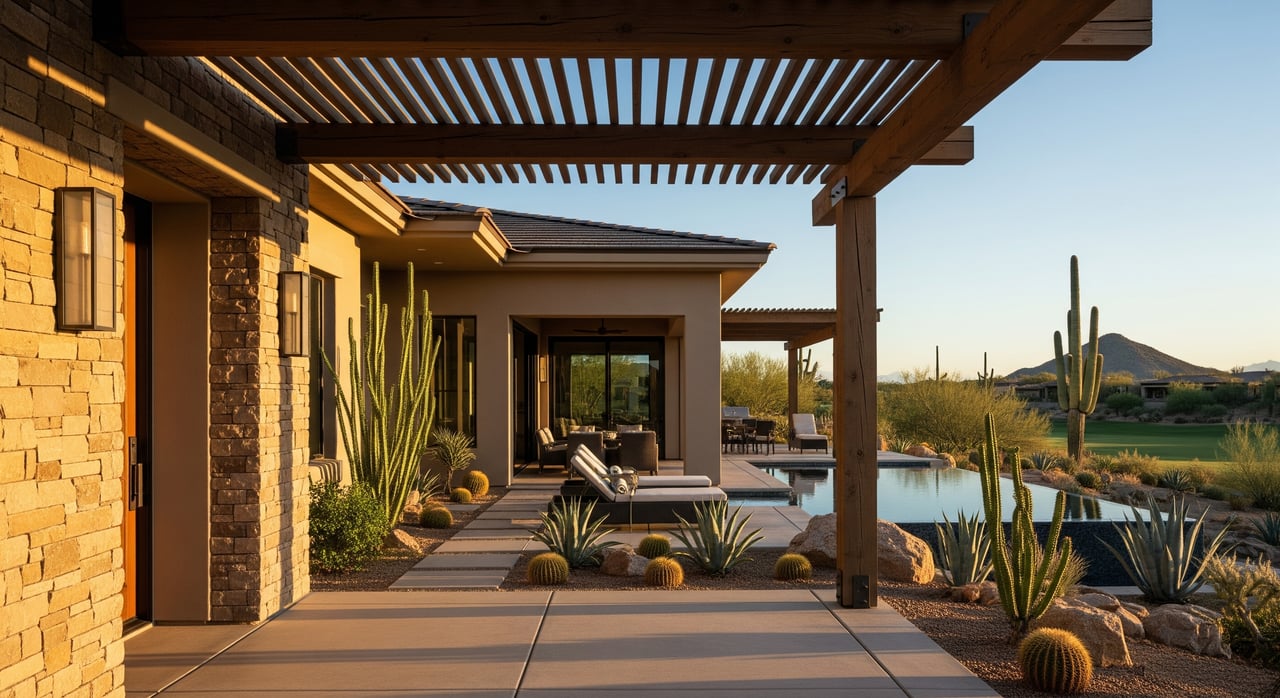
Trying to decide between a brand-new build and a resale in Trilogy at Vistancia? You’re not alone. If you meet the community’s active-adult age requirement, you’re likely weighing price, timelines, HOA details, and what day-to-day life will feel like once you move in. This guide breaks down the real differences that matter in 85383 so you can compare true costs, risks, and benefits. Let’s dive in.
Who this guide is for
You want a clear comparison of new construction and resale homes in Trilogy at Vistancia. You might be relocating, downsizing, or timing a future move to the West Valley. Your priorities likely include predictable costs, comfort, amenities, golf or view potential, and a smooth path to closing.
Trilogy at Vistancia basics
Trilogy at Vistancia is a 55-plus, masterplanned community in the northwest Phoenix metro within ZIP code 85383. The draw is the lifestyle: clubhouse amenities, fitness, classes, pools, social programs, and golf access. Those amenities, the HOA structure, and age restrictions apply whether a home is new or resale.
Local lines can affect taxes and services, so verify city or taxing jurisdiction for any specific address before you write an offer. The governing HOA rules, fees, and reserves are important to review because they impact long-term costs and how the community is maintained.
Price and value in 85383
New construction costs
With new homes, the base price is just the start. You will add a lot premium for views or placement and design center upgrades for flooring, cabinets, outdoor living, and more. Builders may offer incentives like interest-rate buydowns or closing-cost credits, which can offset part of those additions.
Appraisals must support the final price, and comparable sales can be limited in a newer phase. If appraisals come in short, you may need to adjust the contract price or bring extra funds to close. Compare your “all-in” number, not just the base price.
Resale value drivers
Resale list prices reflect recent comparable sales, current condition, upgrades, and outdoor spaces. Mature landscaping, extended patios, shade, or privacy can justify a premium. On the other hand, deferred maintenance on roofs, HVAC, pools, or termite issues can drive price adjustments and repair credits.
Timing and transaction logistics
Build timelines
If you’re building from scratch, expect several months from contract to completion. The exact timeline varies by builder, model, and lot availability. You will have an initial deposit and may have staged payments, so review the contract closely and understand the schedule, change-order rules, and warranty process.
Once the builder receives the certificate of occupancy, you’ll complete a walk-through and create a punch list to fix items before or shortly after closing. Be sure you understand your rights and timing if delays occur.
Resale timelines
Resale purchases typically close in 30 to 60 days, depending on your financing and inspection timelines. You can often negotiate price, closing dates, and concessions to match your needs. If you value speed and certainty, resale has the edge.
Financing differences
New construction loans
If the home is already complete, you may use a standard mortgage. If you are building, you may need a construction-to-permanent loan. Builders sometimes offer incentives tied to using their preferred lender, so compare those against independent loan options.
Appraisals can be challenging when there are few comparable sales. Keep a buffer in your budget in case the appraisal comes in below contract price.
Resale loan options
Conventional financing is common in Trilogy resales, and other financing products may be available based on lender underwriting. If you plan to renovate, ask about renovation-loan options to roll improvement costs into your mortgage. A strong pre-approval will help you negotiate with confidence.
Condition and warranties
New construction
New homes come with builder and manufacturer warranties. You get modern systems and energy-efficient components, which can lower maintenance needs early on. It’s still smart to order independent inspections at key stages, such as pre-drywall and prior to closing, to catch issues while they are easy to address.
Resale
With resale, you can see exactly what you’re buying. Many owners have already added features like sunrooms, pergolas, or upgraded hardscape. Balance those benefits against the remaining life of big-ticket items like HVAC, roof, and pool equipment, and budget for repairs if needed.
Customization and design
New construction personalization
If you buy early in the process, you can choose floor plans, finishes, and structural options to match how you live. Upgrades can be expensive and may not fully translate into resale value, so focus on improvements you will use every day. Consider where to splurge and where to keep standard options.
Resale updates
Resale homes can be move-in ready. If you plan to refresh finishes, get estimates early so you understand costs and timelines. Cosmetic updates can often be done quickly, while major changes to kitchens, baths, or outdoor living spaces require more planning.
HOA and reserves
Newly formed HOAs may start with lower fees but can rise as amenities are completed and reserves are funded. Builders may temporarily control the HOA, so it is critical to read the proposed CC&Rs and budget before you sign. Established HOAs provide history, including budgets, reserve studies, and meeting minutes that show how the community handles maintenance and assessments.
Your goal is clarity on current fees, what they cover, reserve strength, and any planned changes or special assessments.
Lots, views, and orientation
Lot premiums exist for golf course frontage, view corridors, corners, and perimeter locations in both new and resale. Orientation matters in the desert. West-facing backyards can get hotter in the afternoon, while established landscaping on resales can add shade and privacy. Plan for the cost of new landscaping if you choose a brand-new yard.
A simple decision framework
Ask yourself which statements fit you best:
- You want to personalize finishes and value new-home warranties. You are flexible on move-in timing and comfortable comparing upgrade costs. New construction may fit you.
- You want a shorter timeline, mature landscaping, and more flexibility in negotiations. You value seeing final condition and location today. Resale may fit you.
- You want a view lot or golf setting and are flexible on interior finishes. A resale with the right lot might deliver better long-term value than paying a large new-build lot premium.
What to request and review
If you’re buying new
- Builder contract: deposit schedule, completion timeline, termination rights, and warranty coverage.
- Inclusions vs upgrades: itemized design center choices with estimated totals.
- HOA documents: CC&Rs, bylaws, budget, planned assessments, and reserve plans.
- Site map and utility details: easements, drainage, and street improvements.
- Inspection plan: independent inspections at key milestones.
If you’re buying resale
- Seller disclosures and property history, including any additions or repairs.
- Recent HOA meeting minutes, budgets, reserves, and any pending assessments.
- Inspection reports or a plan for home, pool, roof, and termite inspections.
- Past utility bills to understand cooling and water usage.
- Preliminary title report and any deed restrictions or easements.
If you’re selling in Trilogy
- Freshen finishes to compete with model-home styling: paint, hardware, lighting.
- Stage and photograph to showcase mature landscaping and privacy.
- Prepare a cost comparison packet that highlights your all-in value vs nearby new builds, including your closing timeline advantage.
- Document recent maintenance: HVAC service, roof work, pool equipment, and warranties.
Common cautions
- Sparse comparable sales can make appraisals tricky for a new build or a unique resale floor plan.
- Builder-controlled HOAs with limited financial history require careful review of reserve funding and fee projections.
- Large lot premiums and high upgrade costs may not fully recapture at resale.
- Resale properties with deferred maintenance on major systems can add immediate costs, especially in heat-intensive months.
- Water, landscaping, and pool operation costs matter. Ask for utility history and plan for seasonal variation.
Next steps
Choosing between a new build and a resale in Trilogy at Vistancia comes down to your budget, timing, and how you want to live day to day. Compare true all-in costs, verify HOA health, and match your move-in date to your personal timeline. Then align your financing and inspection plan to protect your investment.
If you want a local walkthrough of your options in 85383, a side-by-side cost comparison, or introductions to lenders and inspectors, reach out to Suzanne Ross. You will get neighborhood-first guidance backed by modern tools to help you move with confidence.
FAQs
What should I budget beyond the base price for a new home in Trilogy?
- Plan for lot premiums, design center upgrades, landscaping, window coverings, and any outdoor living features not included. Incentives can offset some of these, so compare the full package.
How long does new construction usually take in 85383?
- Timelines vary by builder, model, and lot. Expect several months from contract to completion, with a final walk-through and punch list before closing.
Can I negotiate on a resale in Trilogy at Vistancia?
- Yes. Price, closing date, and concessions are often negotiable on resales. Your leverage improves with strong pre-approval and clean terms.
Do I need an inspection on a brand-new home?
- Yes. Independent inspections at pre-drywall and pre-closing help catch issues early, even when warranties are provided.
Are HOA fees different for new builds vs resales?
- The rules and amenities apply to both, but fee levels can evolve. New HOAs may start lower and rise as amenities finish and reserves build, while established HOAs offer a track record you can review.
What appraisal issues are common in new construction?
- Limited comparable sales can make it harder to support a high contract price. If the appraisal comes in low, you may renegotiate or bring additional funds to close.